Loading...
2707 Congress Street, Suite 2A, San Diego, CA 92110 Mon & Wed: 8:00 AM – 5:00 PM | Tue, Thu & Fri: 10:00 AM – 5:00 PM
(619) 234-2221
Se Habla Español

Overview

Understanding Vertigo & Dizziness

Vertigo creates a spinning or off-balance sensation that can make everyday tasks feel unsteady. It is often linked to inner ear disturbances, head injuries, or tension and misalignment in the upper neck.

Episodes may include dizziness, nausea, light sensitivity, or a sense that the room is moving. When neck and cranial structures are restricted, they can contribute to ongoing balance problems.

Common Triggers
  • Sudden head movements
  • Changes in position
  • Stress and fatigue
  • Neck tension
When to Seek Care
  • Episodes that repeat or last more than a day
  • Dizziness paired with neck pain or headaches
  • Unsteady walking or fear of falling
  • Limited range of motion in the upper neck
Balance and vertigo care

Our Approach

Restore Balance and Stability

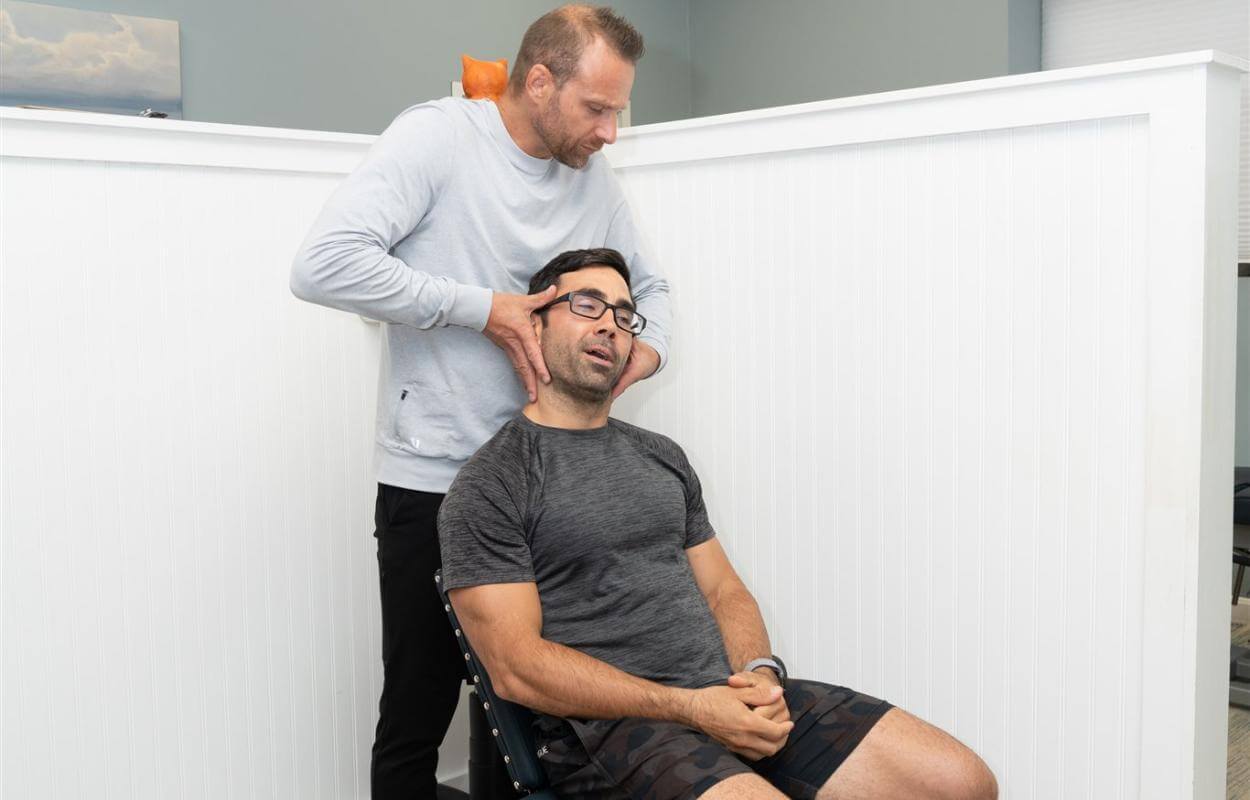
We use precise techniques to improve balance and reduce dizziness by addressing misalignments and tension in the neck and cranial structures. This can help improve communication between the nervous system and balance pathways.

CFR and gentle chiropractic adjustments are tailored to calm irritation and support smoother head and neck mechanics.

Schedule a Balance Evaluation

Care Focus

Steadier Movement, Calmer Head/Neck

Our goal is to reduce vertigo triggers by improving upper neck mobility, calming cranial tension, and supporting balance pathways that influence how you feel in motion.

  • Ease neck and jaw tension that can provoke dizziness
  • Support smoother head movement and posture
  • Reduce sensitivity to positional changes
  • Improve stability during daily activities

We also review work posture, screen habits, and movement patterns that may be contributing to recurring episodes.

Evaluation Snapshot

We look for structural patterns that can influence balance and dizziness, then match care to what we find.

Balance cues

Neck mobility

Cranial tension

Movement habits

Treatment Approach
Gentle cervical adjustments
Cranial facial release techniques
Balance exercise guidance
Postural correction strategies

During an Episode

Simple Steps for Relief

Vertigo can feel sudden and overwhelming. These steps may help reduce intensity while you seek a full evaluation.

If symptoms persist or return frequently, a structural exam can clarify whether neck tension or joint restriction is a factor.

  • Sit or lie down immediately to prevent falls
  • Focus on a fixed point to steady your vision
  • Avoid quick head turns until symptoms ease
  • Hydrate and rest after the episode

Avoid driving or climbing until symptoms fully settle.

What We Evaluate

We look for patterns that can contribute to dizziness, then tailor care to your findings.

Your plan may include gentle adjustments, balance guidance, and at-home strategies to improve stability between visits.

Cervical range

Postural stability

Head position sense

Movement patterns

Find Your Center

If dizziness or imbalance is holding you back, we can help you identify structural causes and create a focused care plan.

Request an Appointment